
Best Type of Hair Extensions for Fine Hair: A Wholesale Buyer’s Guide
Compare Nano-Tip, I-Tip, Seamless Clip-In, and Tape-In extensions for fine hair, with practical selection and stocking guidance for salons and distributors.

Choosing the best type of hair extensions for fine hair requires more than comparing color, length, texture, and finish. Salons and wholesale buyers must consider attachment size, total installed weight, placement, maintenance requirements, and the condition of the client’s natural hair. A method that performs well on dense hair may place unnecessary stress on finer strands or low-density areas.
Quick answer: Nano-Tip is suitable when a discreet attachment is the priority. I-Tip offers strand-by-strand installation without heat or adhesive. Seamless Clip-In meets temporary or occasional-wear needs, while Tape-In provides a flat, salon-installed attachment. The final choice should always depend on the client’s hair condition and a qualified stylist’s assessment.
Extension type | Main advantage | Best suited to | Main caution |
|---|---|---|---|
Nano-Tip | Small, discreet connection point | Fine or lower-density hair where concealment matters | Each strand must match the supporting natural hair |
I-Tip | No heat or adhesive during installation | Clients wanting a strand-by-strand ring method | Incorrect ring tension or excess weight can cause traction |
Seamless Clip-In | Temporary, flat PU wefts | Occasional wear or trying extensions before committing | Clips should not be placed on weak or sparse areas |
Tape-In | Flat, salon-applied panels | Clients seeking re-tapeable, salon-applied extensions | Panel weight, quantity, placement, and removal require care |
Why Fine Hair Needs a Different Approach to Extensions
Fine hair has a smaller strand diameter than coarse hair. Individual strands may therefore be less able to support concentrated weight, especially when attachments are large, heavy, or installed on inadequate supporting sections. Excessive tension can contribute to discomfort, slippage, breakage, or traction-related hair loss.
Fine hair and thin hair are different. Fine describes strand diameter, while thin generally refers to lower density across the scalp. Customers often use the terms interchangeably, so this guide uses both when discussing hair with limited strength, density, or coverage.
A stylist should assess density, strand condition, hairline strength, sensitive areas, and visible scalp before recommending extensions. For wholesale buyers, this means stocking methods that allow professionals to vary total weight, attachment placement, and volume instead of applying one standard system to every client.

What Makes an Extension Method More Suitable for Fine Hair?
Two criteria are especially important: the weight and size of each attachment, and the risk of traction or breakage throughout wear. Product selection matters, but the result also depends on professional fitting and appropriate aftercare.
Bond and Attachment Weight
Smaller, lighter attachments may reduce unnecessary stress when correctly selected and applied. They also allow greater control over weight distribution near the hairline, temples, crown, and other areas where density may be limited or larger connections may be visible.
The smallest attachment is not automatically the correct choice. Each extension strand still needs enough natural hair to support it. If the extension is too heavy for its supporting section, a limited number of fine strands may carry excessive load. Buyers should therefore evaluate attachment format alongside strand weight, stylist control, concealment, and the intended service.
Risk of Traction and Breakage
Fine hair can be vulnerable to repeated mechanical stress. Methods that avoid installation heat or continuous scalp tension may be suitable options, but no format removes traction risk. Extensions fitted too tightly, placed on weakened areas, or worn without suitable maintenance can still contribute to breakage.
Assess strand strength, density, and scalp comfort before installation.
Keep enough natural hair in each supporting section.
Avoid unnecessary weight on sparse, damaged, or sensitive areas.
Set clear schedules for maintenance and professional removal.
These principles should guide both salon consultations and wholesale product training. They also help buyers distinguish between a broad catalog and a stock list that supports responsible professional use.
Nano-Tip: A Discreet Option for Fine Hair
Nano-Tip extensions are designed with compact connection points that can be easier to conceal in fine or lower-density hair. Nano-Tip is one of the smallest attachment formats in Dobi Hair’s range and can provide a discreet option for suitable fine- or lower-density hair.
The individual-strand format allows stylists to control placement and distribute extension hair according to density. It can be useful where larger attachments would be difficult to hide, although delicate or compromised areas should still be avoided.
Within a salon or distributor stock list, Nano-Tip fills the role of a discreet professional system for clients concerned about visible attachments. It complements rather than replaces other methods. Buyers should plan colors, lengths, and textures around customer demand while ensuring salon partners understand the fitting and maintenance requirements.
I-Tip (Micro-Ring): The No-Heat Alternative
I-Tip extensions, also known as Stick Tip or micro-ring extensions, are installed with small rings. The process uses no installation heat or adhesive, making I-Tip a practical alternative for clients who want individual-strand placement without a heat-activated attachment.
This benefit does not eliminate traction risk. A ring fitted too tightly, an extension strand that is too heavy, or unsuitable placement can pull on the supporting hair. Ring size, strand weight, tension, and natural-hair density must therefore be assessed together.
For wholesale buyers, I-Tip adds a recognizable heat-free category to the professional assortment. Stocking it alongside Nano-Tip gives salons a choice between a particularly discreet connection point and a conventional micro-ring method, rather than forcing both client needs into one product category.

Seamless Clip-In: The No-Commitment Option
Seamless Clip-In extensions feature ultra-thin PU wefts that lie flat. They provide temporary length or volume without a permanent attachment, making them suitable for occasional wear, event styling, or clients who want to experience extensions before choosing a longer-term service.
Fine-haired clients should use only the amount their hair can comfortably support. Clips should not be secured to weak or sparse areas, and the pieces should be removed before sleeping. Forceful teasing around fragile roots should also be avoided.
In a B2B assortment, Seamless Clip-In serves both retail and consultation-led demand. It gives salons an accessible temporary category while helping distributors serve customers who are not ready to commit to recurring installation and maintenance appointments.
Tape-In: Works for Fine Hair With the Right Application
Tape-In Extensions use flat panels with medical-grade adhesive. Their low-profile format can sit discreetly when the placement, quantity, and total installed weight are appropriate for the client’s density.
For fine hair, stylists should adjust the total extension weight, number of panels, and panel placement rather than applying a standard configuration. Every attachment must retain enough natural hair for support. Sparse hairlines, weakened sections, and areas where tabs cannot be concealed may need to remain extension-free.
The extension hair can be re-taped and reused for up to three applications, subject to its condition and professional maintenance. This refers to replacing the tape for a new application, not reusing the original adhesive. Correct preparation and professional removal are important because oils can interfere with adhesion and forceful separation may stress natural hair.
For salons and distributors, Tape-In provides a flat, reusable, salon-installed category with clear repeat-service potential. Buyers should treat the hair, replacement tape, fitting process, and maintenance service as parts of one system.

Extension Types That Need Extra Care on Fine Hair
Keratin bonds and Machine Wefts remain established professional categories, but their application characteristics require closer assessment on fine or low-density hair. They are not universally unsuitable; they may simply be less appropriate as the first option when support or concealment is limited.
Keratin Bond (U-Tip, V-Tip, Flat-Tip)
U-Tip, V-Tip, and Flat-Tip extensions typically use heat during installation. Their attachments are also generally larger than Nano-Tip or I-Tip connection points, which may affect concealment and weight distribution in low-density areas.
An experienced stylist may adapt placement and strand selection for an appropriate client. However, salons should not choose keratin bonds automatically because they are familiar or widely requested. Wholesale buyers can continue stocking these formats while maintaining Nano-Tip and I-Tip alternatives for consultations where smaller attachments or installation without heat are preferred.
Machine Weft (Sew-In)
Machine Wefts are sewn onto tracks formed with the client’s natural hair. This installation can create continuous pressure along the track, particularly when the foundation is tight or the selected weft is too heavy for the supporting hair.
For fine or sparse hair, a sew-in Machine Weft is usually not the first method to consider because the natural hair may not provide enough support or coverage. It remains a valid wholesale category for suitable clients and experienced professionals, but it should not be positioned as the default fine-hair solution.
What This Means for Your Salon's Stock List
A salon or distributor serving varied client profiles should not build its inventory only around popular keratin formats. Keeping both Nano-Tip and I-Tip available gives stylists two strand-by-strand options: one emphasizing discreet attachments and another avoiding installation heat and adhesive.
Seamless Clip-In and Tape-In broaden the range across different commitment levels. Seamless Clip-In supports temporary wear and retail demand, while Tape-In supports recurring salon installation and reapplication services.
Nano-Tip: discreet individual attachments for fine or lower-density hair.
I-Tip: strand-by-strand installation without heat or adhesive.
Seamless Clip-In: temporary volume or length with flat PU wefts.
Tape-In: a flat professional system that can be re-taped for repeat applications.
Stock depth should reflect consultation outcomes, local color and length demand, stylist capability, and expected maintenance services. Buyers can browse the complete product range when planning an assortment that serves both fine-haired clients and broader salon demand.

Final Thoughts: Best Types of Hair Extensions for Fine Hair
The best choice depends on the client’s density, strand condition, scalp comfort, desired wear time, and commitment level. Nano-Tip prioritizes discretion, I-Tip avoids installation heat and adhesive, Seamless Clip-In addresses temporary needs, and Tape-In offers a flat, salon-applied system.
A balanced range allows stylists to recommend a method based on the supporting hair rather than product familiarity alone. Product quality must be matched by appropriate fitting, maintenance, and removal.
Build a fine-hair-ready assortment with Dobi Hair. Tell us your preferred extension methods, colors, lengths, textures, and expected order volume to receive factory-direct wholesale options.
Professional and Safety Notes
Hair extensions can contribute to breakage or traction-related hair loss when they are too tight, too heavy, placed on unsuitable hair, or worn for an inappropriate period without maintenance. Clients experiencing active hair loss, scalp pain, inflammation, or visibly damaged areas should be assessed by an appropriate professional before installation. This article provides general product-selection guidance and is not medical advice.
Sources
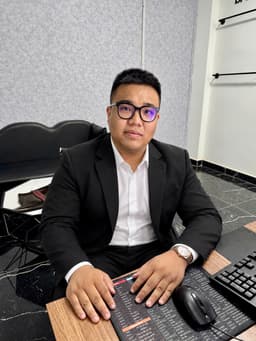
MR. ROY — CEO
Roy is the visionary CEO of DobiHair, a premium human hair extension manufacturer. With extensive experience living, studying, and working across Europe, Roy brings a sophisticated international perspective to the beauty industry. His unwavering commitment to excellence is reflected in his philosophy: quality is paramount, and customer trust is sacred. Every DobiHair product is meticulously crafted to meet the highest standards, ensuring that beauty professionals and clients worldwide experience transformative results through ethical, premium human hair solutions.