
Vietnamese Hair vs Indian Hair: A Wholesale Quality & Sourcing Comparison
Compare Vietnamese and Indian hair by strand structure, natural texture, bleaching performance, sourcing, lifespan, pricing, and wholesale suitability before selecting inventory for your salon or distribution business.

Vietnamese hair vs Indian hair is not simply a comparison of two origins. For wholesale buyers, the decision affects color services, installation results, inventory turnover, customer satisfaction, and long-term profit. Both origins have established positions in the global extension market, but they often serve different customer expectations.
Vietnamese hair is generally associated with strong, naturally straight strands, reliable cuticle alignment, and suitability for demanding color applications. Indian hair is valued for its lighter feel, natural movement, and wavy texture. However, these are market tendencies rather than guarantees. Quality can vary significantly according to grade, collection method, donor consistency, processing history, and factory controls.
This commercial comparison explains the practical differences between the two sources so salons, extension specialists, and distributors can evaluate samples and choose the right product category for their target market.
The Wholesale Debate: Vietnamese Hair vs Indian Hair
Vietnam and India are two important sourcing markets in the international human hair industry. Indian hair has a long-standing presence in global trade, supported by a large supply base and the well-known temple tonsure system. It is widely available in naturally wavy textures and is often positioned at accessible wholesale price points.
Vietnamese hair occupies a more specialized position. Its typically straight appearance, substantial strand body, and resilience have made it relevant to premium salons, colorists, and distributors serving customers who expect extensions to remain smooth through repeated wear. Depending on the selected grade, buyers often consider it for straight installations, customized blonde shades, and products intended for multiple maintenance cycles.
The comparison becomes especially important when ordering in volume. A low opening price does not necessarily create the lowest total cost. Buyers must also account for tangling, shedding, color failure, inconsistent bundles, customer complaints, and hair that cannot be reinstalled. Higher-quality inventory can produce better margins when it remains serviceable and supports repeat business.
Product format also influences the decision. Buyers sourcing loose material for custom production can review available Bulk Hair, while salons and distributors needing installation-ready tracks may compare Machine Weft options.
Core Differences at a Glance: Vietnamese vs Indian Hair
The following table summarizes common market tendencies. These characteristics should not be treated as guarantees for every bundle. Donor health, remy alignment, processing, storage, and manufacturing standards can alter performance, so wholesale decisions should always include physical sample testing.
| Comparison factor | Vietnamese hair | Indian hair |
|---|---|---|
| Typical strand diameter | Usually medium to coarse, with substantial strand body | Often fine to medium and lighter in feel |
| Natural texture | Predominantly straight or slightly wavy | Commonly wavy, with some natural curl and volume |
| Strand profile | Often rounder and relatively uniform | Often flatter or more oval, contributing to natural movement |
| Cuticle characteristics | Can be robust when raw, aligned, and minimally processed | Can be healthy in premium remy temple hair, although finer strands may be more vulnerable to aggressive processing |
| Bleaching potential | Selected raw grades may reach light blonde, including #613, with appropriate professional processing | Often exposes warm red or orange undertones; lifting to level 10 can place greater stress on finer strands |
| Common collection channels | Direct ponytail collection from individual donors and local collection networks | Temple tonsure, individual donors, and mixed commercial collection streams |
| Cuticle alignment risk | Generally easier to preserve in properly tied and controlled ponytail lots | Can be excellent in verified remy temple lots, but the wider market also contains non-remy and comb-waste material |
| Typical service life | Approximately 1–2+ years for high-quality hair with correct care and repeated move-ups | Approximately 6–12 months for many commercial grades; carefully selected premium hair may perform longer |
| Best commercial fit | Premium straight extensions, demanding color work, and durability-led positioning | Natural volume, soft waves, lighter installations, and more budget-conscious ranges |
For a broader explanation of grades, sourcing terms, and buying criteria, see Vietnamese Human Hair: The Complete Wholesale Buyer’s Guide.
Strand Anatomy and Natural Texture Comparison
Texture names alone do not explain how hair behaves. Strand diameter, cross-sectional shape, cortex strength, cuticle condition, and porosity all influence how an extension responds to washing, heat, coloring, and daily friction. These factors also affect how well the added hair blends with a client’s natural texture.

Vietnamese Hair: Coarse, Round, and Naturally Resilient
Vietnamese hair commonly falls within the medium-to-coarse range. Its often rounder strand profile and dense cortex can give it a substantial feel without requiring excessive bundle weight. Healthy raw material tends to have a naturally reflective surface because intact, aligned cuticles allow light to travel more evenly along the hair shaft.
The cortex contains the structural keratin that determines much of the strand’s strength and elasticity. When hair has not been repeatedly colored or chemically altered before collection, that structure is generally better prepared for later salon processing. This is one reason carefully selected raw Vietnamese hair is often preferred for custom blondes and long-wear extension systems.
Depending on the donor lot and production grade, practical characteristics may include:
- A naturally straight appearance that requires less factory texture setting
- Fuller-feeling lengths and ends in well-sorted premium lots
- Good resistance to routine brushing, washing, and controlled heat styling
- A smooth surface with fewer visible split ends when donor hair is healthy
- Strong blending potential for clients with straight or slightly textured hair
Coarse does not mean rough. Properly collected Vietnamese hair can feel smooth and flexible. Roughness is more often associated with cuticle damage, mineral buildup, harsh bleaching, or inadequate conditioning than with strand diameter alone. Buyers assessing the category can review Is Vietnamese Hair Good? A Wholesale Buyer's Guide to Vietnamese Hair Quality for additional quality indicators.
Indian Hair: Finer, Naturally Wavy, and Lightweight
Indian hair is typically fine to medium in diameter and often has an oval or flatter cross-section. This anatomy contributes to its recognizable natural wave, airy volume, and lightweight movement. For clients who want body without a heavy installation, these characteristics can be commercially attractive.
Premium remy Indian temple hair can be soft, flexible, and visually appealing. Its natural variation also works well for products marketed as organic-looking waves rather than highly uniform factory curls. When properly collected and processed, it can offer an effective balance between comfort, movement, and price.
The finer structure nevertheless requires appropriate handling. Repeated high heat, strong relaxers, or aggressive bleaching may reduce elasticity more quickly, particularly in lower grades or previously processed batches. The natural wave can also create more contact between fibers, increasing the importance of cuticle alignment and conditioning. If cuticles are reversed or chemically stripped, friction may result in matting and difficult detangling.
Indian hair is therefore not inherently lower quality. The central issue is grade and batch verification. Selected remy temple hair and low-cost mixed non-remy hair may share the same country label while delivering completely different salon outcomes.
Bleaching and Chemical Processing Capabilities
Bleaching performance is one of the most revealing tests for professional buyers. Lightening exposes weaknesses that may not be visible in a dark, silicone-coated sample. It tests cortex integrity, porosity consistency, elastic recovery, and the ability of the cuticle to remain controlled after chemical swelling.
Selected raw Vietnamese hair may be lifted to light blonde shades, including #613 blonde, while retaining useful elasticity when the material is suitable and the process is performed by an experienced colorist. Its medium-to-coarse diameter can give the technician more structural material to work with. This does not make every Vietnamese bundle bleach-safe: previously dyed hair, mixed donor lots, or harshly processed products may still lift unevenly or fail.
Indian hair commonly reveals warm red or orange undertones during lifting. These undertones can require additional bleaching or toning to reach a clean level 10 result. Because many Indian hair grades contain finer strands, prolonged processing may produce dryness, reduced tensile strength, split ends, or breakage. Carefully selected premium temple hair can perform well, but buyers should not assume that every Indian batch can safely reach platinum.

A practical wholesale bleach test should include:
- Take fibers from different areas of each sample bundle rather than testing only the outer layer.
- Record the starting color, processing formula, developer strength, timing, and temperature.
- Check whether the sample lifts evenly or reveals mixed colors that may indicate multiple donors or prior dye.
- Rinse and condition the hair, then assess wet stretch and elastic recovery.
- Dry the sample and inspect the ends for roughness, white dots, splitting, or breakage.
- Wash it several more times to determine whether the initial softness came primarily from a temporary coating.
A successful color test is not merely reaching the target shade. The hair must remain wearable after it reaches that shade.
Businesses planning blonde collections should request samples from the exact production grade they intend to order. A supplier’s demonstration bundle may not represent every commercial batch, so approved specifications and batch-level checks remain essential.
Sourcing Transparency: Temple Hair vs Factory-Direct Collection
Origin labels provide only part of the sourcing story. Buyers also need to understand who collected the hair, whether roots and ends remained aligned, how many donors were mixed, and which treatments were applied before export.
India’s temple tonsure system is a recognized source of human hair. Donors shave their heads as part of a religious practice, and the hair can enter organized auctions or supply channels. When tied, handled, and sorted correctly, temple hair can be genuine remy material with intact cuticles.
The wider Indian market also includes hair recovered from brushes, salon floors, and household collection. Often described as comb waste or non-remy hair, these fibers may arrive with roots and ends mixed. Some manufacturers use acid treatment to remove much of the cuticle and then apply silicone to create initial smoothness. Such products may look attractive when new but can become dry, tangled, or matted after the coating wears away. This risk depends on the grade, processor, and individual batch rather than origin alone.
Vietnamese supply chains often center on ponytail collection from individual women in rural communities and local donor networks. Each ponytail can be secured before cutting, helping preserve the natural root-to-tip direction. When collectors and factories maintain disciplined lot controls, this method supports cuticle alignment and can make donor history easier to evaluate.

Buyers should still verify every supplier’s claims. The phrase “factory direct” does not, by itself, prove that a company owns its collection network or controls every processing stage. Useful sourcing questions include:
- Is the material single-donor, limited-donor, or mixed-donor?
- How are roots marked and kept aligned during sorting and production?
- Has the hair been colored, acid-treated, silicone-coated, or texture processed?
- Can the supplier provide representative samples from the intended production batch?
- How are short hairs, gray strands, split ends, and inconsistent fibers removed?
- Are color, weight, length, and shedding tolerances documented before shipment?
Buyers seeking a direct sourcing framework can consult Raw Vietnamese Hair Wholesale: Find a Reliable Hair Supplier.
Durability, Lifespan, and Salon Maintenance
Hair lifespan is affected by the original material, processing history, installation method, client routine, water quality, styling temperature, and maintenance frequency. Lifespan estimates should therefore be treated as practical reference ranges rather than unconditional guarantees.
With professional installation and suitable aftercare, high-quality Vietnamese hair commonly serves for 1–2+ years and can support multiple move-ups. Its stronger structure generally handles blow-drying, controlled straightening, and periodic restyling well. Clients who maintain the ends, use thermal protection, and avoid unnecessary bleaching are more likely to reach the upper end of that range.
Many commercial Indian hair products are expected to remain serviceable for approximately 6–12 months. Premium remy temple selections may last longer, while non-remy or heavily processed stock can deteriorate much sooner. Typical warning signs include rough ends, persistent tangling at the nape, loss of wave definition, and increased breakage during brushing.
Salons can improve results from either origin by giving clients a clear care protocol:
- Detangle gently from the ends upward using an extension-appropriate brush
- Use moderate water temperatures and moisturizing products without heavy residue
- Apply heat protection and avoid repeated passes at excessive temperatures
- Dry the attachment area thoroughly before sleeping
- Secure long hair in a loose braid or wrap at night
- Schedule move-ups before excess regrowth creates avoidable tension and matting
For wholesale evaluation, repeat-wash testing is more informative than first-touch softness. Buyers should wash, dry, heat-style, and detangle samples through several cycles before approving a large order.
Pricing, MOQs, and Profit Margins for Wholesale Buyers
Indian hair often has a lower initial purchase price because of its broad supply base and wide range of available grades. It can be a practical choice for salons serving clients with moderate budgets or distributors building a tiered catalog. The commercial risk is that unusually low quotations may reflect mixed donors, non-remy content, short-hair filler, or intensive cosmetic processing.
Vietnamese hair usually carries a higher wholesale cost, especially when it is raw, cuticle-aligned, well sorted, and selected for light-color processing. The business case depends on more than the price per bundle. Consistent hair can reduce replacements, corrective appointments, refunds, and damage to the salon’s reputation. It may also support premium service prices and stronger client retention.
MOQ comparisons should be made on equal specifications. A buyer should confirm whether each quotation refers to the same length, net weight, ratio of long fibers, donor grade, color, texture, weft construction, and packaging. A low MOQ can reduce opening risk, while a larger order may improve unit economics only after quality has been validated.
Calculate the real landed and service cost by considering:
- Product price and international freight
- Import duties, payment fees, and local delivery
- Usable yield after inspection and sorting
- Coloring losses and failed customization
- Shedding, tangling, or replacement claims
- Labor spent resolving inconsistent bundles
- Reorder consistency and lead-time reliability
- How many installations or move-ups the client can receive
Dobi Hair brings 15 years of experience to hair production and wholesale supply. Its 2025 sales volume was 15 tons across product types, with average production of 1 ton per month. Workshop capacity reaches 2 tons per month and can expand by a further 20% when demand requires it. Operations are supported by 10 back-office employees and 20 production employees. These capabilities are relevant to buyers evaluating both quality control and repeat-order capacity.

For a more accurate margin assessment, wholesale buyers should request samples and quotations based on the exact grade, length, color target, product format, and expected order volume. Open WhatsApp to request a representative sample or tailored wholesale quote before committing to a volume order.
The Verdict: Which Hair Origin Is Right for Your Business?
There is no universal winner in the Vietnamese hair vs Indian hair comparison. The right choice depends on your target client, service menu, color requirements, expected lifespan, and acceptable risk level.
Choose Indian hair when clients prefer naturally wavy, lightweight, voluminous extensions and the salon needs a more accessible opening price. It can be effective for dark shades, soft-wave looks, and collections where moderate service life is acceptable. For more predictable results, prioritize verified remy material and avoid selecting inventory solely by the lowest quote.
Choose Vietnamese hair when the business requires smooth straight textures, fuller strand body, demanding blonde customization, or maximum durability. Properly selected raw Vietnamese hair is particularly suitable for premium clients expecting repeated move-ups and a potential lifespan of two years or more with correct care.
Many distributors can profitably carry both. Indian hair can serve the natural-wave and mid-range segment, while Vietnamese hair can anchor a premium line focused on color performance and longevity. The strongest strategy is to define separate quality promises rather than presenting all origins and grades as interchangeable.
Before placing a wholesale order, compare representative samples under the same conditions. Inspect cuticle direction, wash repeatedly, test shedding, apply controlled heat, conduct a strand bleach test, and document the result. The country name begins the evaluation; consistent batch performance completes it.
Ready to compare wholesale options? Prepare your required lengths, texture, color target, product format, and estimated volume, then contact Dobi Hair on WhatsApp to request samples and a quotation. This gives your team a practical basis for evaluating quality, landed cost, and expected profit before approving the order.
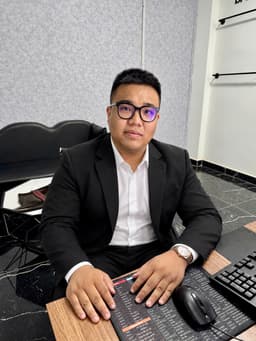
MR. ROY — CEO
Roy is the visionary CEO of DobiHair, a premium human hair extension manufacturer. With extensive experience living, studying, and working across Europe, Roy brings a sophisticated international perspective to the beauty industry. His unwavering commitment to excellence is reflected in his philosophy: quality is paramount, and customer trust is sacred. Every DobiHair product is meticulously crafted to meet the highest standards, ensuring that beauty professionals and clients worldwide experience transformative results through ethical, premium human hair solutions.