
Machine Weft Extensions: A Wholesale Buyer’s Guide to Quality & Sourcing
Learn how to evaluate machine weft extensions by seam construction, cuticle alignment, density, shedding, installation performance, sample testing, and supplier capability.

For salon owners, extension specialists, and distributors, sourcing machine weft extensions is not simply a matter of comparing color charts and price lists. Seam construction, fiber selection, fullness, processing consistency, and packaging standards all influence installation efficiency, client satisfaction, and the long-term value of every order.
A well-made machine weft should be secure enough for professional sew-in and beaded-row applications while remaining comfortable and manageable on the scalp. This guide explains the technical standards wholesale buyers should review, how machine wefts compare with other formats, and what to test before committing to a bulk order. Buyers comparing a broader range of formats can also consult Types of Hair Extensions: A Wholesale Buyer’s Guide to Dobi Hair Formats.
What Are Machine Weft Extensions?
Machine weft extensions are continuous strips of hair constructed with specialized industrial sewing equipment. Hair fibers are arranged along a track and secured with reinforced stitching. A professional-grade machine weft commonly uses a double-stitched seam to stabilize the track and help prevent fibers from loosening during cutting, installation, brushing, and routine maintenance.
The mechanized construction process is intended to create consistent density along the strip. This matters because uneven fiber distribution can produce weak sections, bulky areas, or an imbalanced result after installation. A properly manufactured track distributes both hair and weight evenly, allowing the stylist to plan rows with greater accuracy.
Machine wefts are primarily used for woven extension techniques. A stylist may sew the track onto a traditional braided foundation or attach it to a row supported by micro beads. The format is particularly practical for salons that need:
Consistent density across multiple bundles
A reinforced track suitable for repeat salon maintenance
Flexible cutting and customization for different head shapes
Reliable specifications for recurring client services
Efficient installation for medium- to high-volume extension work
Although construction is machine-assisted, finished quality still depends on careful hair selection, correct stitch tension, seam finishing, and quality control. Buyers should therefore evaluate the complete product rather than treating all machine-made tracks as equivalent. The Machine Weft category provides a starting point for reviewing available formats and specifications.

What Makes the Best Machine Weft Hair Extensions?
The phrase best machine weft hair extensions should refer to measurable construction and fiber standards, not an unsupported grade name. Wholesale buyers can narrow their assessment to five technical characteristics that directly affect salon performance.
A thin, compact track: The seam should be strong without feeling unnecessarily thick or rigid. A bulky track may be more visible, create pressure against the scalp, or limit how many rows a stylist can install comfortably. Compare seam width, flexibility, and how flat the track sits when curved around the head.
Minimal return or mustache hair: Short fibers folded back into the seam are often called return hair or mustache hair. Some short return is part of conventional machine-weft construction, but excessive amounts can feel prickly, create frizz around the track, and reduce comfort. A cleaner root area gives the stylist a more refined working surface.
An anti-shedding lockstitch: Secure thread tension and a reliable lockstitch help keep individual fibers inside the seam. The track should remain stable when cut to fit a row and when subjected to controlled brushing. Stitching cannot eliminate every loose fiber, but continuing or excessive shedding from a new sample is a warning sign.
Cuticle-aligned human hair: Hair with intact cuticles arranged in the same direction has smoother strand-to-strand interaction than randomly aligned fibers. Correct alignment reduces friction, supports easier detangling, and can improve wear performance. For a more detailed discussion of origin and fiber evaluation, read Vietnamese Human Hair: The Complete Wholesale Buyer’s Guide.
Strong fibers from root to end: Raw material should not be judged by initial softness alone. Buyers should inspect the mid-lengths and ends for strength, split ends, excessive thinning, and signs of heavy coating. Hair should retain useful body through its length according to the selected single-drawn or double-drawn specification.
These standards work together. A thin seam has limited value if its stitching releases fibers, while attractive ends cannot compensate for reversed cuticles or an uncomfortable track. Buyers should request samples from the same specification intended for the bulk order and evaluate several sections of each weft rather than inspecting only the most presentable portion.
Initial softness can also be misleading. Silicone or other surface treatments may make a sample feel smooth before washing, but that finish does not establish underlying fiber quality. A meaningful assessment includes washing, drying, brushing, and controlled salon handling.
Machine Weft vs Other Weft Types: Hand-Tied, Flat, and Genius Wefts
There is no universal weft format for every client. The correct choice depends on the stylist’s method, the client’s natural-hair density, desired coverage, maintenance expectations, and service budget. Wholesale buyers should understand the operational differences before building inventory.
Weft | Profile and buying focus |
|---|---|
Machine | Reinforced track; check thickness and stitch security. |
Hand-tied | Fine track; confirm cutting and sealing rules. |
Genius | Thin and flexible; test cut-edge stability. |
Flat | Flattened attachment; assess flexibility and removal. |
This compact comparison offers a quick purchasing reference, but samples should still be installed and maintained under normal salon conditions before a format is approved for inventory.

Machine Weft vs Hand-Tied Weft
Machine wefts use mechanized stitching to secure a larger number of fibers into a reinforced seam. This generally creates a robust track that can be practical for frequent salon use, denser installations, and stock programs that prioritize consistency.
Hand-tied wefts use a finer construction and are often selected when a lightweight, discreet track is the priority. However, their delicate structure requires technicians to follow the supplier’s cutting and sealing guidance. Cutting in an unsupported area can compromise the tied edge and allow the weft to unravel.
Machine wefts generally offer greater freedom when a stylist needs to customize row width, although every sample should be tested after cutting. Their reinforced seam may also support applications that require substantial density. The trade-off is that a conventional machine track can be thicker and may contain more short return hair than a carefully made hand-tied option.
From a wholesale perspective, the decision should reflect the salon’s client base. A salon serving clients who want substantial volume may favor the structure and density of machine wefts. A specialist working with finer natural hair may stock hand-tied options alongside machine wefts. Product education is essential so stylists do not apply the handling rules of one format to another.
Machine Weft vs Genius and Flat Wefts
Genius wefts are designed to combine a thin profile with easier customization. They typically aim to reduce the short return hair found at the top of conventional machine tracks. Buyers should still test whether the edge remains secure after cutting and whether density is consistent throughout the strip.
Flat wefts are manufactured to lie close to the scalp through a flattened attachment area. Their feel and flexibility can differ from stitched machine tracks, so a sample should be bent, washed, installed, removed, and inspected before a commercial decision is made.
Machine wefts remain a practical all-purpose choice when the buyer prioritizes reinforced construction, dependable density, and compatibility with established sew-in techniques. Genius and flat wefts can complement that inventory for clients seeking a lower-profile attachment. The formats should be positioned as solutions for different needs rather than ranked only by price.
Quality Grades: Single Drawn vs Double Drawn Machine Wefts
Single drawn and double drawn describe the distribution of fiber lengths inside a bundle. They should not be confused with hair origin, cuticle direction, or seam quality. Two bundles may use hair from the same source while producing visibly different results because their fullness ratios differ.

Grade | Visual result |
|---|---|
Single drawn | Mixed lengths with a natural taper. |
Double drawn | More equal-length fibers with fuller, blunter ends. |
The fullness ratio indicates how much of a bundle approaches the labeled length. Single drawn wefts contain a broader mixture of shorter and longer fibers, creating movement and naturally tapered ends. Double drawn wefts contain a higher proportion of fibers close to the stated length, producing denser and more blunt-looking ends.
Because terminology can vary between suppliers, buyers should not rely on the words single drawn or double drawn alone. Request side-by-side samples, weigh them, photograph the end density against a consistent background, and ask the supplier to maintain an approved physical reference across repeat orders.
A common wholesale specification is 100g per bundle, but buyers should confirm the actual net hair weight for the specific product being ordered. Weight should be documented together with length, color, texture, drawing grade, seam profile, and acceptable tolerances. Packaging weight and net hair weight must be clearly distinguished in the purchase specification. Buyers examining a product-level example can review the Machine Weft Bundle #12.0.
For salon consultations, single drawn hair can be recommended when the client wants movement, a natural taper, or a more accessible service tier. Double drawn hair is better suited to clients who expect visibly thick ends and fewer shorter fibers. The stylist should calculate the required amount according to the client’s starting density, target length, head size, and desired result rather than promising that one bundle count fits every client.
Budget-conscious positioning: Single drawn hair can create a natural finish without the higher end density associated with additional sorting.
Premium volume positioning: Double drawn hair is appropriate when thick, even ends are central to the desired result.
Inventory planning: Keep reference samples for each accepted grade so sales teams and clients can see the difference before ordering.
Professional Installation Methods and Wear Longevity
Machine weft extensions are primarily installed through two professional methods. Both require a trained technician to assess scalp condition, natural-hair strength, row placement, and tension before installation.
Sew-in on a braided track: The client’s natural hair is braided to create a foundation, and the weft is sewn onto the braid. Correct braid size and thread tension are important because an overly tight foundation can cause discomfort, while a loose foundation may reduce stability.
Beaded row or micro-link track: Small beads create an anchor row, and the weft is sewn or otherwise secured to that foundation. This method avoids a full braided base and allows the technician to design rows around the client’s density and head shape.

As the client’s natural hair grows, the attachment moves away from the scalp. A professional maintenance appointment is commonly considered at approximately 6–8 weeks to lift or reposition the rows, check tension, remove naturally shed hair, and inspect the weft. This is a general service interval rather than a fixed rule. Faster growth, scalp condition, installation design, and home care may require an earlier appointment.
Vietnamese human hair is sometimes marketed with a potential useful life of 1–2+ years. Wholesale buyers should treat this as a conditional performance target rather than an automatic guarantee. Any lifespan claim should be supported by product testing and linked to clearly defined care, coloring, installation, and maintenance conditions.
The actual useful life of a machine weft varies according to source quality, chemical processing, installation, maintenance frequency, heat exposure, coloring, washing routine, and daily handling. Repeated bleaching, excessive heat, aggressive brushing, or prolonged moisture around the attachment may shorten wear substantially.
Salons should provide clients with practical care instructions: support the track while brushing, detangle from the ends upward, cleanse without aggressively rubbing the seam, dry the attachment area thoroughly, avoid prolonged tension, and use suitable heat protection. If a track becomes uncomfortable, loose, or visibly compromised, the client should return to the technician rather than attempting a home repair.
Longevity is therefore a shared outcome, not a standalone product promise. Fiber quality and construction provide the foundation, while professional installation and responsible maintenance protect the result.
What Wholesale Buyers Should Test Before Placing a Bulk Order
A sample order is an operational test, not merely a color check. The following five-step process helps salons and distributors compare suppliers using repeatable criteria.

Test seam flexibility and resilience. Bend the track repeatedly and assess whether it follows a curved row without becoming rigid, separating, or producing loose thread. Compare thickness across the entire sample and inspect the edges after cutting.
Perform a hard brush seam test. Secure the weft, brush firmly through the lengths, and record fiber release. Repeat the test after cutting a section. A few loose fibers may result from handling, but continuing or heavy shedding suggests weak stitch control or poor finishing.
Wash and tangle-test the sample. Wash it using a consistent method, allow it to dry, and evaluate texture, matting, odor, coating loss, and ease of detangling. Inspect both the hair and seam. Comparing the sample before and after washing can reveal qualities that a surface finish initially conceals.
Run a controlled lift test toward light blonde #613. Use a qualified color professional and document the formula, developer, timing, strand response, and final condition. The purpose is to assess how the sample lifts, not to assume every dark bundle can safely reach the same blonde result. Stop if fiber integrity deteriorates.
Confirm commercial specifications. Obtain written confirmation of MOQ, net weight, available lengths and colors, production lead time, carton details, OEM packaging options, and private-label requirements. Attach the approved sample, specification sheet, and packaging reference to the purchase agreement.
Tests should be recorded rather than judged from memory. Use the same shampoo, brush, water temperature, drying method, and color process for each supplier sample. Note the number of passes in the brush test, photograph shed fibers, and retain part of the original sample as a control.
Buyers sourcing loose material for other manufacturing or customization needs can also review the Bulk Hair category. Whatever the format, bulk approval should depend on documented sample results and clear written specifications rather than photographs alone.
A strong wholesale decision is based on repeatability: the production order should match the approved sample in seam construction, net weight, density, color, texture, and packaging.
Why Source Machine Weft Extensions from Dobi Hair?
A productive wholesale relationship should give buyers a clear channel for discussing fiber requirements, seam construction, quality references, order specifications, and packaging. For machine wefts, detailed communication is important because small differences in stitch tension, return hair, density, and finishing can affect both installation efficiency and client comfort.
Buyers considering Dobi Hair should begin with a representative sample and a written specification rather than relying only on product photographs or general supplier descriptions. The evaluation should cover the same measurable standards used throughout this guide: track thickness, double-seam construction where specified, shedding control, fiber alignment, end density, net weight, color consistency, and post-wash performance.
Request a sample that matches the intended bulk specification
Define seam profile, density, color, texture, length, and net weight in writing
Compare production units against an approved physical reference
Confirm available OEM or private-label packaging for the specific order
Review applicable commercial and export documents before payment and shipment
Hair origin and composition should also be addressed through traceable documentation. If an order is specified as Vietnamese human hair without synthetic-fiber blending, that requirement should appear in the purchase specification and be supported by the documentation and testing appropriate to the buyer’s market. The same principle applies to statements about factory location, production arrangements, stitching standards, and export capability.

Private-label buyers should supply or approve packaging artwork, color naming, barcode requirements, care instructions, bundle labels, and carton markings before production. They should also confirm which services are included, the minimum order quantity for each packaging format, and how packaging changes may affect lead time or cost.
Before placing a large order with Dobi Hair or any other supplier, wholesale buyers should complete the five-step sample-testing process, document every accepted specification, and obtain written confirmation that repeat production will follow the approved reference. If a required company or product statement has not yet been documented, it should remain outside client-facing marketing until verification is available.
This approach keeps the purchasing decision focused on verifiable quality and customer value. The objective is not to choose machine weft extensions based on the strongest marketing claim, but to identify a sourcing arrangement capable of delivering secure construction, suitable hair quality, accurate specifications, and repeatable order execution.
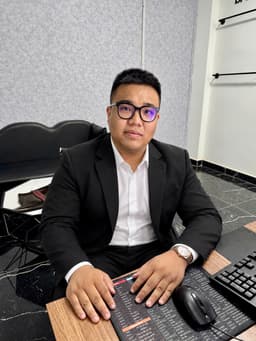
MR. ROY — CEO
Roy is the visionary CEO of DobiHair, a premium human hair extension manufacturer. With extensive experience living, studying, and working across Europe, Roy brings a sophisticated international perspective to the beauty industry. His unwavering commitment to excellence is reflected in his philosophy: quality is paramount, and customer trust is sacred. Every DobiHair product is meticulously crafted to meet the highest standards, ensuring that beauty professionals and clients worldwide experience transformative results through ethical, premium human hair solutions.